
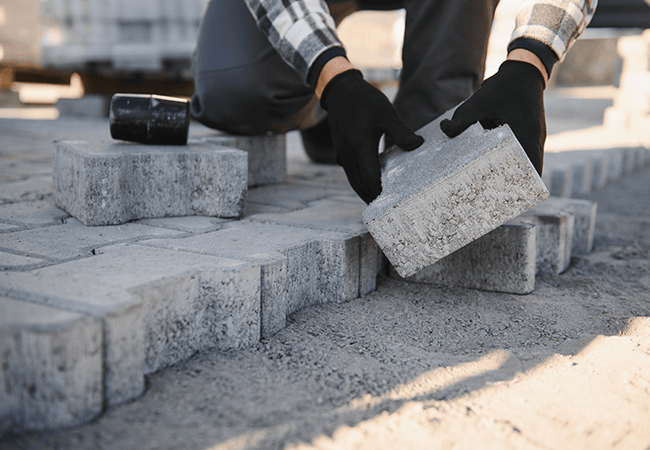
Pavers Installation and Repair NYC
A paver surface is only as good as what sits underneath it. We install new pavers and repair sunken, loose and uneven ones on patios, walkways, driveways and terraces across NYC, with every project handled by a licensed and insured contractor.
What Makes a Paver Installation Last in NYC
Pavers are individual units of concrete, brick or natural stone laid over a compacted base and locked together with sand in the joints. That design is exactly why they suit New York so well. Instead of one solid slab that cracks when the ground freezes and thaws, pavers can flex slightly with the soil and settle back into place. If a few units get stained, broken or lifted by a tree root, they can be pulled up and reset without tearing out the whole surface. That flexibility makes pavers a smart choice for backyards in Queens, driveways in Westchester, front walkways in Brooklyn and rooftop terraces in Manhattan.
The catch is that pavers depend completely on their base. When the ground underneath is not dug deep enough, the base stone is not compacted in layers, or the edges are left without proper restraints, pavers start to sink, spread and rock within a season or two. Poor drainage makes it worse, sending water under the surface where it softens the base and freezes in winter. That is why every paver job we do starts below ground. We excavate to the right depth for the load, build and compact a crushed stone base, set a level bedding layer, lock the edges, and slope the surface so water runs away from your building. The pavers on top are the part you see, but the base is the part that decides how long they last.
Paver Installation and Repair Services Across NYC
Whether you are starting from bare ground or fixing a patio that has shifted over the years, here is the paver work we handle for homes and small commercial properties.
- Paver patio installation for backyards and side yards, designed around how you want to use the space
- Paver walkways and garden paths that stay level and safe underfoot in every season
- Paver driveways built on a deeper base made to carry vehicle weight
- Bluestone and natural stone paving for patios, walkways and front entries with a classic NYC look
- Brick paver installation laid in herringbone, basketweave and other traditional patterns
- Permeable paver systems that let rainwater drain through the surface instead of pooling
- Rooftop and terrace pavers set on pedestal systems that protect the roof below
- Paver resetting and releveling for sunken, rocking or uneven sections
- Broken paver replacement, joint sand and sealing to refresh and protect an existing surface
If your current pavers are mostly in good shape, we will tell you. A lot of tired patios only need resetting and fresh joint sand, not a full replacement.
Paver Work in NYC Built From the Base Up
You can tell a good paver job in its third winter, not on the day it is finished. We build every surface for that third winter and the ones after it.
Deep, Compacted Base Every Time
Edges Locked Firmly in Place
Drainage Planned Before Laying
Licensed and Insured Paver Crews
From Excavation to Final Sweep, Our Paver Process
Plan, Measure and Excavate
We lay out the design, check drainage and dig out the area to the depth your patio, walkway or driveway actually needs.
Build the Base and Lay the Pavers
Crushed stone is compacted in layers, a level bedding course goes down, and pavers are laid in your chosen pattern with cuts kept clean.
Lock the Joints and Walk the Job
Edges are restrained, joints are filled and compacted, and we walk the finished surface with you to check that it is level and solid.
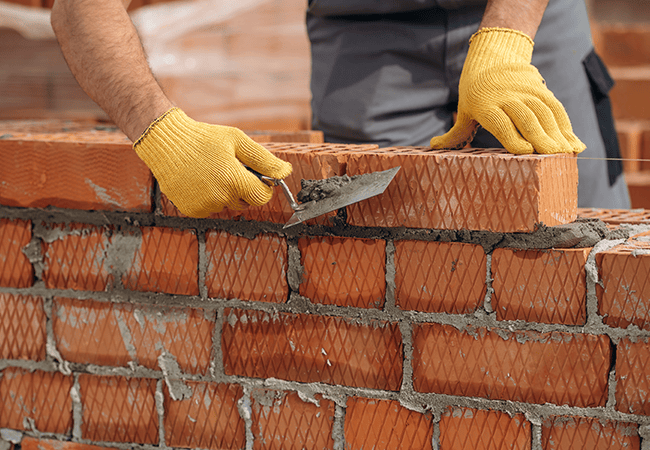
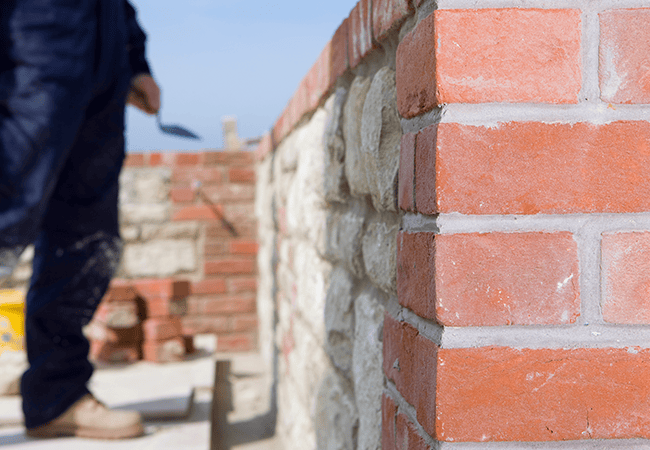
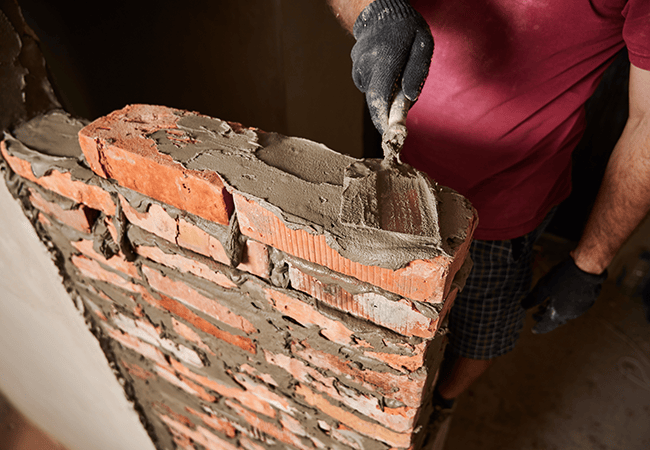
Paver Projects We Have Completed in NYC
Stucco Repair Services Near You in NYC and Westchester
From large backyards and driveways in Westchester to compact yards and rooftop terraces in the city, we install and repair pavers across our full service area. Choose your area for local paver details.
Signs Your NYC Pavers Need Repair or Resetting
Most paver problems start small and are simple to fix early. These are the signs worth acting on.
- Pavers sinking, dipping or forming low spots
- Units that rock or shift when you step on them
- Joints washing out or filling with weeds and moss
- Water pooling on the surface after rain
- Edges spreading outward or pavers pulling apart
Resetting a section early costs far less than rebuilding a whole patio once the base has failed.
Paver Installation and Repair Questions From NYC Homeowners
Both can work well, but pavers handle NYC freeze-thaw cycles better because each unit can move slightly without cracking. They are also easier to repair, since individual pavers can be lifted and reset. Poured concrete usually costs less up front, while pavers offer more design options and simpler long term repairs.
Pavers sink or shift when the base underneath was not dug deep enough, was not compacted properly, or has been softened by poor drainage. Missing edge restraints also let pavers spread outward over time. Fixing it means lifting the pavers, correcting the base and relaying them.
Yes. That is one of the biggest advantages of pavers. We lift the affected section, repair the base underneath, replace any broken units and relay them to match the surrounding surface.
Polymeric sand is a joint sand mixed with a binder that hardens after it is wet. It helps lock pavers together, resists washout and slows weed growth. It works well on most patios and walkways, while permeable paver systems use open joints with small stone instead so water can drain.
Sealing is optional. A good breathable paver sealer can make cleaning easier, help resist stains and deepen the color, but it needs to be reapplied every few years. Many well built paver surfaces do fine without it, so we recommend sealing based on how the area will be used.
Yes. Rooftop pavers are usually set on adjustable pedestals that sit over the roof membrane, which keeps the surface level and lets water drain underneath. Before installation, the roof has to be checked for weight capacity and membrane condition, and some buildings need engineer or board approval first.
Public sidewalks in NYC are controlled by NYC DOT, and most are required to be standard concrete. Special paving materials on the sidewalk usually need city approval, and in some historic districts bluestone or granite may be required. Pavers on your own private walkway or yard do not fall under those sidewalk rules.
Paver installation cost in NYC depends on the size of the area, the type of paver, how much excavation and base work is needed, access to the site and whether it is a patio, walkway or driveway. Natural stone and driveways usually cost more than standard concrete pavers on a patio. We visit the site and give you a written estimate.