
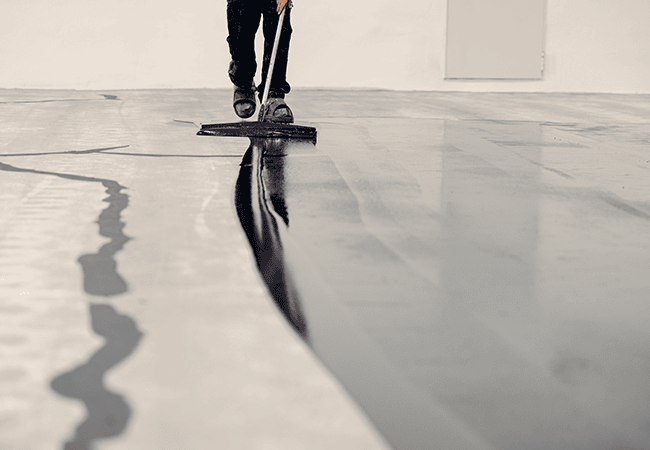
Waterproofing NYC
Water damage rarely starts where you see it. We trace leaks back to their source and waterproof basements, foundations and brick and stone walls across NYC, with every project handled by a licensed and insured contractor.
How Water Gets Into NYC Buildings and How Waterproofing Stops It
Most NYC buildings are made of brick, stone and concrete, and all three absorb water to some degree. That is normal, as long as the building can shed most of it and dry out the rest. Problems start when water finds an easier path in. Failed mortar joints, cracked foundation walls, missing flashing over windows, open joints where the wall meets the floor, and soil that slopes toward the building all give water a route inside. Below ground, saturated soil after heavy rain pushes water against foundation walls with real force, which is why so many basements leak only during storms. Above ground, wind driven rain soaks walls that lost their protection years ago.
Waterproofing is the work of closing those paths and giving water a better place to go. On the outside of a building, that can mean repairing masonry, installing flashing, and applying breathable water repellents that keep rain out while letting the wall dry. Below grade, it can mean exterior membranes on foundation walls, drainage that relieves water pressure, crack injection, and interior coatings where digging outside is not possible. The key is matching the fix to the leak. Painting a basement wall or coating a brick facade without finding the source usually just moves the water somewhere else, and on masonry, the wrong coating can trap moisture and cause even more damage over time.
Masonry and Basement Waterproofing Services in NYC
We waterproof homes, rowhouses, apartment buildings and commercial properties, from the foundation up to the top of the wall. Our waterproofing work includes
- Basement waterproofing for walls and floors that leak, seep or stay damp
- Exterior foundation waterproofing with membranes and drainage applied to the outside of the wall
- Interior basement sealing with cementitious coatings where outside access is not possible
- Foundation crack injection to seal active cracks from the inside
- Masonry wall waterproofing with breathable water repellents applied after repairs
- Through-wall and window flashing installed to direct water out of the wall
- Window and joint sealant replacement around openings where old caulk has failed
- Terrace and balcony waterproofing with membranes installed under finish surfaces
- Yard drainage and grading corrections so water flows away from the building
We will not sell you a coating your building does not need. If the leak is coming from a failed joint or missing flashing, that is what we fix.
NYC Waterproofing That Starts With Finding the Real Leak
Waterproofing fails when it treats the symptom instead of the source. Our crews come from masonry, so we understand how water moves through brick, stone and concrete and where it really gets in.
Leak Source Found Before Any Work
Breathable Systems for Masonry Walls
Below Grade Work Done the Right Way
Licensed and Insured Waterproofing Crews
Our Waterproofing Process, From Leak to Dry Wall
Trace the Water
We inspect inside and out, check stains, cracks, flashing, grading and drainage, and pinpoint where water is actually entering the building.
Repair and Seal the Path
We fix the masonry or concrete first, then install the right system for the problem, whether that is flashing, a membrane, injection or drainage.
Test and Confirm Dry
Where possible, we water test the repaired area and review the results with you so you know the leak has been stopped.
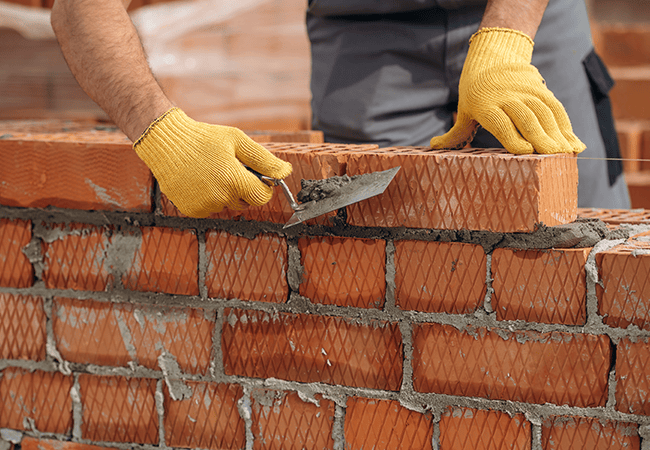
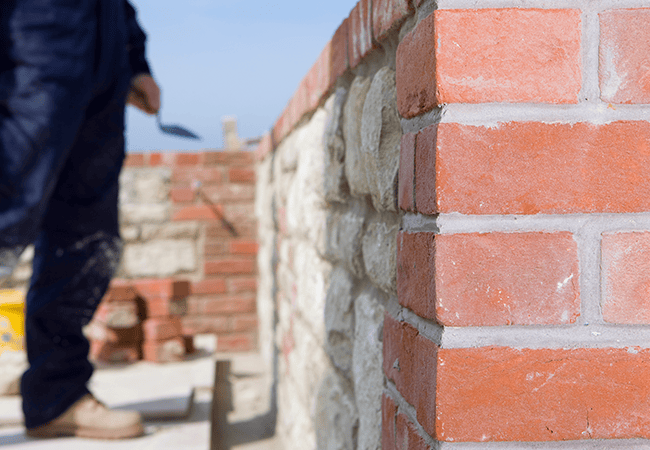
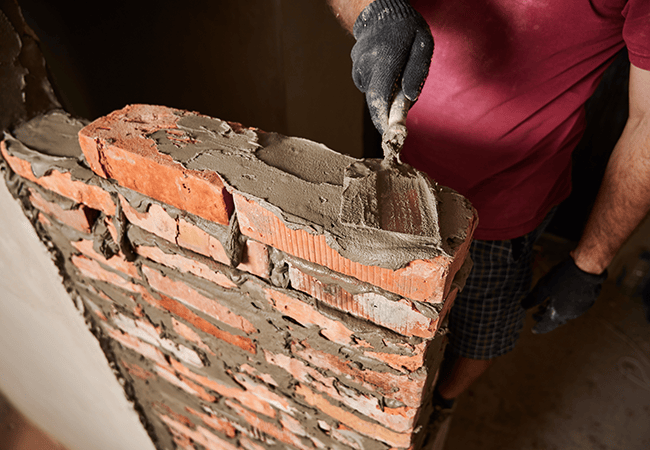
Waterproofing Projects on NYC Homes and Buildings
Waterproofing Services Near You in NYC and Westchester
From flooded basements in Queens and Brooklyn to leaking brick walls on Manhattan and Bronx buildings and foundations across Westchester, we handle waterproofing throughout our service area. Choose your location for local details.
Early Warning Signs Your NYC Building Needs Waterproofing
Water damage is cheapest to fix before it reaches finishes, framing and electrical. Look out for these signs.
- Damp or wet basement walls and floors after rain
- Water entering where the basement wall meets the floor
- Peeling paint, bubbling plaster or water stains on interior walls
- Musty smells or mold in basements and lower floors
- White salt deposits on brick or concrete surfaces
If you see any of these, finding the source now will save you from much bigger repairs later.
Common Questions About Waterproofing in NYC
Exterior waterproofing stops water before it reaches the foundation wall by applying a membrane and drainage to the outside, which usually means excavating around the building. Interior waterproofing manages water from the inside with coatings, crack injection and drainage. Exterior work is often more effective, but interior systems are a practical choice for attached NYC buildings where digging outside is not possible.
During heavy rain, the soil around your foundation fills with water and pushes against the walls with pressure. Water then finds any crack, open joint or weak spot, especially where the wall meets the floor. Poor grading, clogged gutters and downspouts that empty next to the building make it much worse.
Only if your walls actually need it, and only after the masonry is repaired. Film-forming sealers and paints can trap moisture inside brick and cause spalling. When a wall takes a lot of wind driven rain, a breathable penetrating water repellent is the right choice, because it keeps rain out while letting the wall dry.
Yes. Interior waterproofing uses crack injection, cementitious coatings and, when needed, drainage that carries water to a sump pump. It works well for many NYC homes and rowhouses where exterior excavation is not an option, although it manages water rather than stopping it at the outside face of the wall.
It depends on the system. Exterior foundation membranes and properly installed flashing can last for decades. Breathable water repellents on masonry typically need to be reapplied every several years. Regular checks of gutters, grading and sealant joints help any waterproofing system last longer.
Waterproofing cost in NYC depends on whether the work is interior or exterior, how much excavation is needed, the size of the area, the condition of the masonry and the system being installed. Sealing a few cracks costs far less than excavating and membraning a full foundation. We inspect the building and give you a written estimate.