
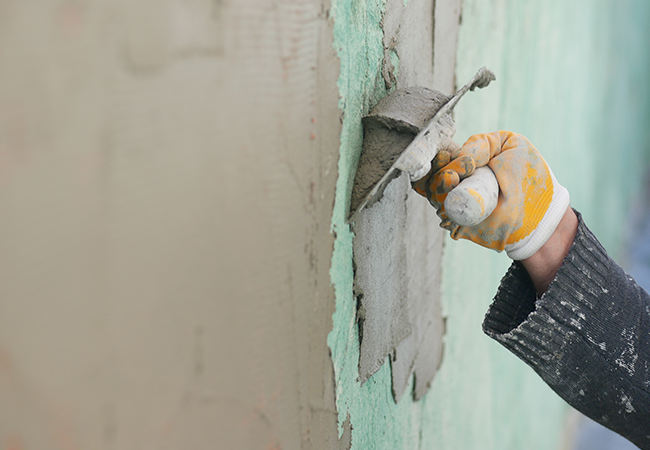
Stucco Repair in NYC
Stucco can look fine from the street while water quietly damages the wall underneath. We repair, patch and resurface stucco on homes and buildings across NYC, and every job is handled by a licensed and insured contractor who fixes the cause along with the surface.
What Goes Wrong With Stucco on NYC Buildings
Stucco is a cement or lime based plaster applied in layers over masonry or metal lath to create a hard, weather resistant outer skin. In NYC you see it on Tudor and Mediterranean style homes in Queens, on the side and rear walls of brick rowhouses, on basement and foundation walls, and on many houses across Westchester. When it is in good shape, stucco sheds water and protects the wall behind it. The problem is that stucco is rigid. As buildings settle and temperatures swing between hot summers and freezing winters, it cracks, and every crack becomes a path for water.
Once water gets behind stucco, the damage spreads out of sight. Metal lath rusts, the bond to the masonry breaks, and sections start to sound hollow, bulge or fall away. Painting over cracks or smearing a quick patch on top does not stop any of that. Real stucco repair means finding where the water is getting in, removing every loose and hollow section back to a solid edge, fixing lath and flashing where needed, and rebuilding the stucco in proper layers. The final coat is then matched in color and texture so the repair blends with the rest of the wall instead of standing out as a patch.
Stucco Repair and Resurfacing Services in NYC
Some walls need a few patches, others need a full new finish. Our stucco work covers both, on homes, multifamily buildings and small commercial properties.
- Stucco crack repair that opens and fills cracks properly instead of covering them with caulk or paint
- Hollow and loose stucco removal where damaged sections are cut back to a solid bond
- Stucco patching rebuilt in layers and blended into the existing wall
- Full stucco resurfacing when the existing finish is too worn or cracked to patch
- Metal lath and flashing repair behind the stucco where rust or leaks caused the failure
- Stucco color and texture matching for sand, smooth, dash and other common finishes
- Parging on brick and foundation walls to protect exposed masonry and below grade walls
- Traditional lime stucco repair for older buildings where modern cement would be too hard
- Stucco water damage repair around windows, roof lines and wall openings
Before we patch anything, we find out why the stucco failed, because a repair that ignores the moisture problem is just a delay.
Why Our Stucco Repair Holds Up in NYC Weather
Most stucco patches fail for the same reasons. They are applied over loose material, they skip the moisture problem, or they are too hard for the wall they sit on. We avoid all three.
Moisture Problems Fixed First
Stucco Texture and Color Matched
Solid Bond to the Wall Behind
Licensed and Insured Stucco Crews
Our Stucco Repair Method in Three Stages
Sound Out the Wall
We tap and inspect the stucco to map hollow, loose and cracked areas, and trace where water is getting in behind the surface.
Remove and Rebuild the Layers
Damaged stucco is cut back to a clean edge, lath and flashing are repaired, and new stucco is applied in proper coats with curing time between them.
Finish Coat and Blend
The final coat is matched to your existing color and texture, then we review the wall with you to make sure the repair blends in.
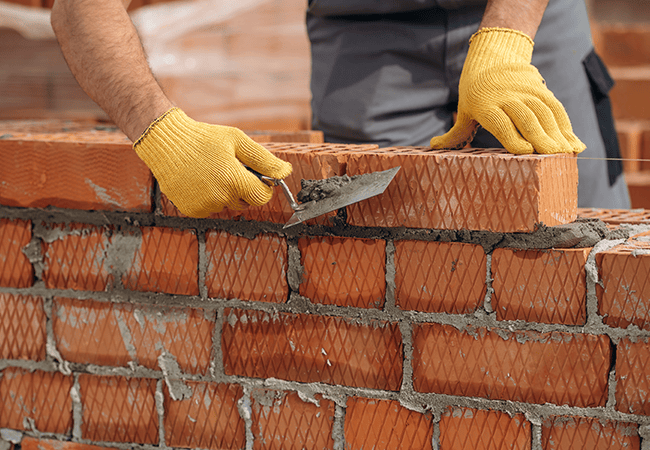
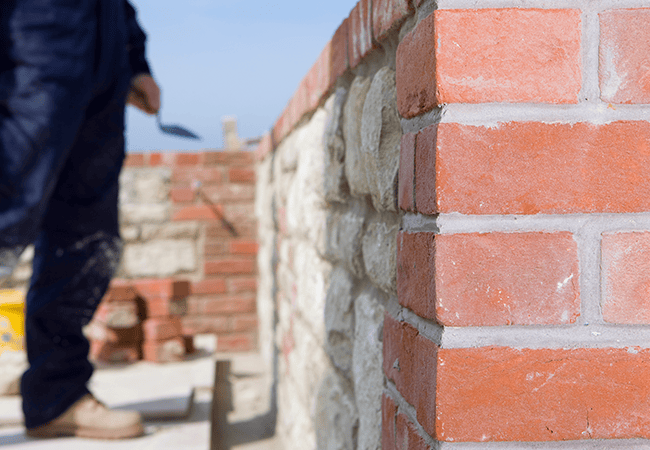
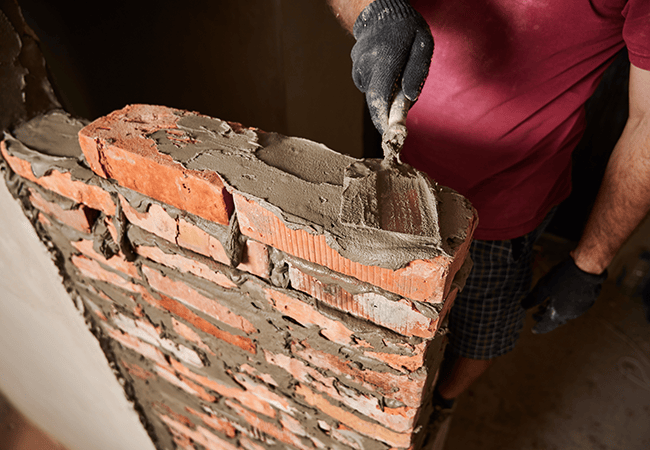
Stucco Repair Results From NYC Projects
Stucco Repair Services Near You in NYC and Westchester
We repair stucco on homes and buildings throughout our service area, from Queens and Westchester houses to rear walls on Brooklyn and Bronx rowhouses. Choose your area to see local stucco repair details.
Common Signs of Stucco Damage on NYC Homes
Stucco rarely fails all at once. These early signs tell you water is getting in and the wall needs attention.
- Cracks spreading from window and door corners
- Hollow sounding areas when you tap the wall
- Bulging, blistering or sections falling away
- Dark stains, streaks or damp spots that stay after rain
- Rust stains coming through the surface
The earlier stucco damage is caught, the more of your existing wall can be saved.
What NYC Owners Ask Before Repairing Stucco
Stucco cracks because it is a rigid material sitting on a building that moves. Settling, freeze-thaw cycles, poor installation, missing control joints and water behind the surface all cause cracking. In NYC, winter freeze-thaw is one of the biggest reasons small cracks turn into larger damage.
Small hairline cracks are common and not always serious, but they should be sealed properly before water gets in. Cracks that are wider, growing, or have hollow stucco around them usually point to a bigger problem and should be inspected.
Yes. We match the finish texture, whether it is sand, smooth, dash or another style, and tint the final coat to match your existing color. On older or weathered walls, a light finish coat over the whole elevation sometimes gives the most even result, and we will tell you if that is the better option.
Traditional stucco is a hard cement or lime plaster applied in layers over masonry or lath. EIFS, sometimes called synthetic stucco, is a foam insulation board system with a thin finish coat that looks similar from the outside. They are repaired very differently, so it is important to know which one your building has before any work starts.
If damage is limited to a few areas and the rest of the stucco is well bonded, patching makes sense. If large sections sound hollow, cracks are spread across the wall, or water damage is widespread, resurfacing the whole wall is usually more cost effective and gives a uniform look.
Stucco and parging can be applied over some brick walls, especially rear walls and foundations, but it has to be the right mix and allow the wall to breathe. Stucco should not be used to cover historic brick fronts or brownstone, because it can trap moisture and damage the masonry underneath.
Stucco repair cost in NYC depends on the size of the damaged area, whether lath or flashing needs repair, the finish texture, how high the wall is and whether scaffolding is needed. Small patches cost far less than full resurfacing. We inspect the wall and give you a written estimate before starting.