
Retaining Walls Construction NYC
A retaining wall holds back tons of soil and water every day, and when it is built wrong, it shows fast. We build and repair block, stone and concrete retaining walls across NYC and Westchester, with every project handled by a licensed and insured contractor.
How Retaining Walls Work and Why Many NYC Walls Fail
A retaining wall is a structure built to hold back soil where the ground changes level, such as a sloped backyard, a raised driveway, a hillside property line or the edge of a terrace. The soil behind the wall is always pushing forward, and that pressure grows a lot when the ground is wet. After heavy rain or snowmelt, trapped water can push harder on a wall than the soil itself. In NYC and Westchester, freezing winters add another force, as water behind and under the wall expands and lifts the structure a little more each year.
Most retaining walls fail for the same few reasons. They were built without a proper drainage system, they sit on a weak or shallow footing, they are too tall for the way they were built, or the backfill behind them holds water instead of letting it drain. Many older walls around the city were also built from timber or dry stacked stone that has simply reached the end of its life. A wall that lasts starts with the parts you never see. That means a solid footing or compacted base, gravel backfill with a drain pipe to carry water away, reinforcement or geogrid for taller walls, and an engineered design whenever the height or load calls for one.
Retaining Wall Construction and Repair Services in NYC
From a low garden wall to a tall wall supporting a driveway, here is the retaining wall work we take on for homeowners, co-ops and property managers.
- Segmental block retaining walls built with interlocking units for yards, patios and landscape grades
- Poured concrete retaining walls for taller walls and areas that carry heavy loads like driveways
- Natural stone retaining walls in dry laid or mortared styles for a classic look
- Reinforced concrete block walls with steel and grouted cores for strength in tight spaces
- Retaining wall drainage installation with gravel backfill, drain pipe and weep holes
- Leaning and bulging wall repair where the wall can be stabilized and saved
- Retaining wall rebuilding when a wall has failed or is no longer safe
- Timber wall replacement swapping rotting wood walls for block, stone or concrete
- Terraced and tiered walls that break a steep slope into usable levels
Every wall we build is sized for its height, the soil behind it and the load above it, not just the look you want in front of it.
NYC Retaining Walls Designed for Soil, Water and Time
A retaining wall is a structural job, not a landscaping detail. We plan it that way from the first site visit, because fixing a failed wall costs far more than building one right.
Drainage Built Into Every Wall
Solid Footings and Reinforcement
Engineered Designs When Required
Licensed and Insured Wall Builders
Building a Retaining Wall, Stage by Stage
Site and Soil Review
We look at the slope, soil, water flow and anything sitting above the wall, then decide on height, material and whether an engineer is needed.
Footing, Drainage and Build
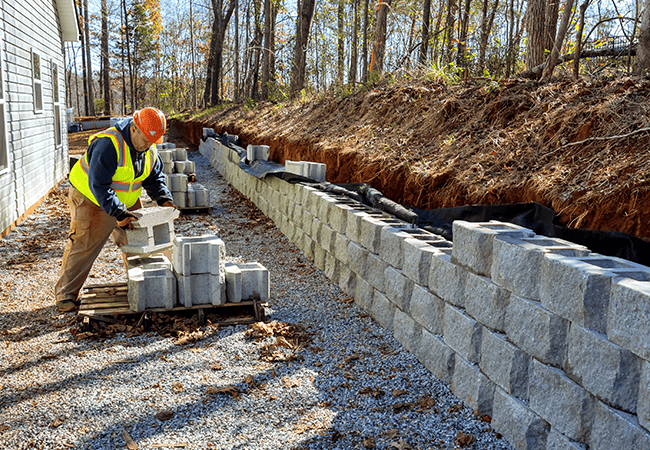
We excavate, set a solid footing or base, and build the wall course by course with drainage and reinforcement going in as it rises.
Backfill, Cap and Final Check
Gravel backfill is placed and compacted in layers, the wall is capped, and we walk the finished work with you to check alignment and drainage.
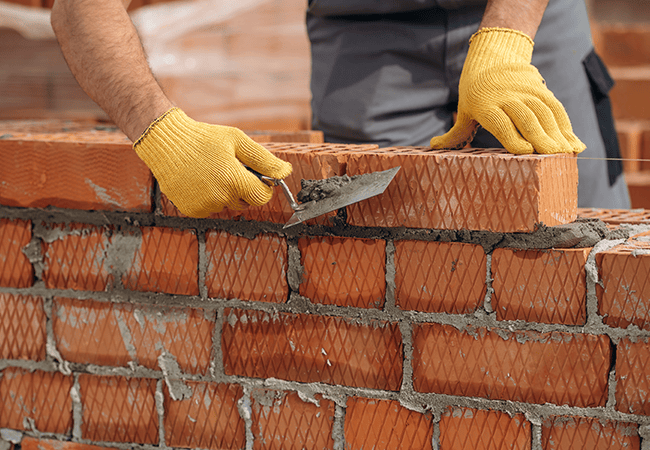
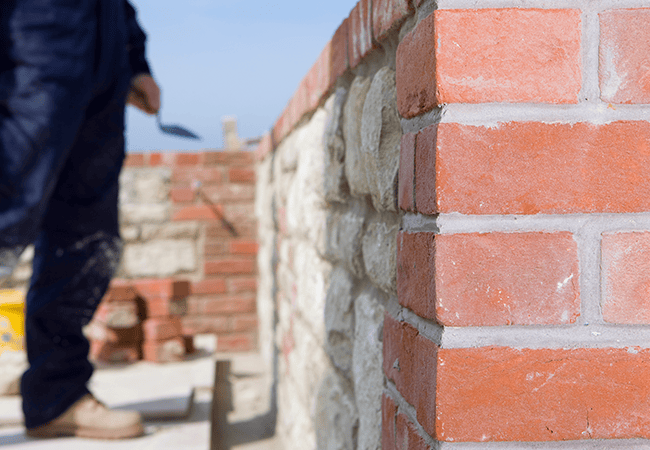
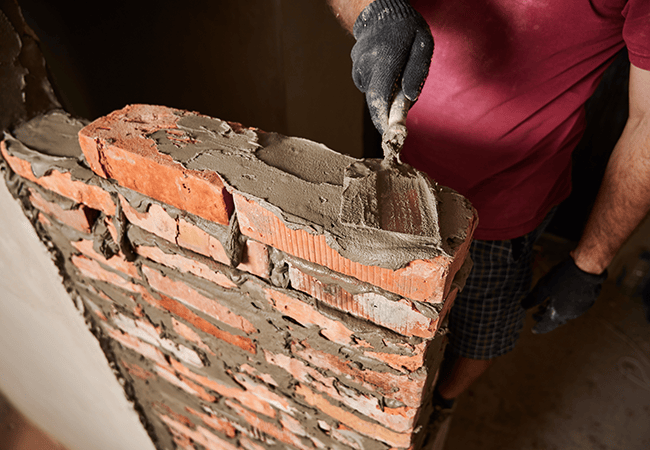
Retaining Walls We Have Built and Repaired Around NYC
Retaining Walls Construction Services Near You in NYC and Westchester
We build and repair retaining walls on hillside homes in Westchester and the Bronx, sloped yards in Queens and Brooklyn, and building properties in Manhattan. Choose your area for local retaining wall details.
Is Your Retaining Wall Failing? Look for These Signs
Retaining walls usually give plenty of warning before they fail. These are the signs that yours needs attention.
- The wall leaning forward or bowing in the middle
- Cracks running through blocks, stone or concrete
- Soil or water seeping through gaps and joints
- Blocked or missing drainage and water pooling behind the wall
- Ground sinking or cracking along the top of the wall
A leaning wall near a sidewalk, driveway or building should be checked right away, before the next heavy rain adds more pressure.
Retaining Wall Questions for NYC Property Owners
The best material depends on the wall’s height, the load behind it and the look you want. Segmental block works well for most yard and landscape walls, poured concrete suits taller walls and heavy loads like driveways, and natural stone gives a classic look for lower walls or as a facing. Drainage and footing matter more to how long a wall lasts than the material itself.
Retaining walls fail mostly because water builds up behind them with no way to drain. Weak or shallow footings, poor backfill, missing reinforcement, and walls built taller than their design allows are the other common causes. Freeze-thaw cycles in NYC speed up the damage once water is trapped.
Low garden walls usually do not, but taller retaining walls and walls that support driveways, buildings or slopes above them usually need an engineered design and a permit. In NYC that means the Department of Buildings, and in Westchester the rules vary by town and village. We confirm what your wall needs before any work starts.
If your retaining wall is 10 feet or taller and faces a public right-of-way such as a street or sidewalk, NYC Local Law 37 requires it to be inspected every five years by a qualified inspector, who files a report with the Department of Buildings. We handle the repairs that come out of those inspections.
Sometimes. If the lean is small and the wall is still solid, fixing the drainage and adding reinforcement or anchors can stabilize it. If the wall is leaning badly, cracked through or already moving, rebuilding it is usually safer and more cost effective in the long run.
Yes. Timber walls rot and lose strength over time, especially where they touch wet soil. We remove the old wall, correct the drainage and base, and replace it with a block, stone or concrete wall built to last much longer.
Retaining wall cost in NYC depends on the height and length of the wall, the material, how much excavation is needed, drainage and reinforcement, access to the site, and whether engineering and permits are required. Taller walls and poured concrete cost more than low block walls. We visit the site and give you a written estimate.